UGC Ads Framework
AI VIDEO SYSTEM FOR HIGH-PERFORMING UGC ADS ───────────────────────────────────────── 1. CORE PRINCIPLES BEHIND WINNING UGC ADS ───────────────────────────────────────── - Authenticity over polish: raw beats refined in trust-building - Pattern interrupt in frame 1: stop the scroll or lose the viewer - Emotion before logic: make them feel it, then explain it - Specificity sells: numbers, names, and real details convert - One problem, one solution, one CTA per ad - Social proof is the engine, not the decoration - Native-first: look like content, not an ad - Speed of value: deliver the payoff before they can swipe ───────────────────────────────────────── 2. MODULAR SCRIPT FORMULA ───────────────────────────────────────── 1. HOOK (0-3 sec): Disrupt, provoke, or promise 2. PROBLEM (3-10 sec): Agitate the pain point with specificity 3. SOLUTION (10-25 sec): Introduce the product as the logical answer 4. PROOF (25-40 sec): Testimonial, result, before/after, stat, or demo 5. CTA (40-55 sec): Direct, urgent, friction-free ask Optional bridge between PROOF and CTA: objection kill ("I know what you're thinking...") Target length: 30-60 sec for paid social. 60-90 sec for YouTube Shorts consideration phase. ───────────────────────────────────────── 3A. 10 HOOK FORMULAS ───────────────────────────────────────── 1. The Bold Claim — "This [product] made me [result] in [timeframe]." 2. The Callout — "If you [problem], stop scrolling right now." 3. The Myth Bust — "Everything you know about [topic] is wrong." 4. The Confession — "I wasted $[X] before I found this." 5. The Before Tease — "Here's what my [skin/bank account/routine] looked like 30 days ago." 6. The Social Proof Open — "[X] people switched to this and never looked back." 7. The Curiosity Gap — "Nobody talks about this but it changed everything for me." 8. The Comparison — "I tried [competitor] for a year. Then I found [product]." 9. The How-To Bait — "Here's exactly how I [result] without [common sacrifice]." 10. The Controversy — "Doctors/trainers/experts don't want you to know this." ───────────────────────────────────────── 3B. 10 RETENTION TACTICS ───────────────────────────────────────── 1. Open loops: tease the payoff in the hook, deliver it late 2. Fast cut pacing: new visual every 2-3 seconds in problem/solution phase 3. On-screen text callouts: echo key words visually while creator speaks 4. B-roll pattern interrupts: cutaway to product, result, or lifestyle shot mid-sentence 5. Countdown or list structure: "3 reasons why..." forces viewers to stay for all 3 6. Vocal variation: coach creators to shift tone, speed, or volume at key transitions 7. Re-hooks at 8-10 sec: secondary statement that resets attention ("But here's the part nobody tells you...") 8. Reaction inserts: creator reacts to their own result — genuine emotion spikes watch time 9. Text-only frame breaks: 1-2 second bold text card mid-video resets focus 10. Unresolved tension: hold the product reveal until after the problem is fully agitated ───────────────────────────────────────── 3C. 10 CTA FORMULAS ───────────────────────────────────────── 1. The Direct Ask — "Click the link below and try it today." 2. The Urgency CTA — "This deal ends [date/soon] — don't wait." 3. The Risk Reversal CTA — "They offer a [X]-day money-back guarantee. Nothing to lose." 4. The Social Proof CTA — "Join [X] people who already made the switch." 5. The Soft CTA — "Just check it out — link's right there." 6. The Identity CTA — "If you're serious about [goal], this is your next move." 7. The Curiosity CTA — "Go see what all the reviews are saying — link in bio." 8. The Comparison CTA — "Try it once. You'll never go back." 9. The Gift Frame CTA — "They're even throwing in [bonus] if you order through this link." 10. The Peer CTA — "Send this to someone who needs to hear it, then grab yours." ───────────────────────────────────────── 4. SHOT LIST TEMPLATE ───────────────────────────────────────── Shot 1 — Hook shot - Creator on camera, direct eye contact, neutral or relatable background - Deliver hook line. No intro. Start mid-sentence if possible. - Frame: medium close-up (chest to top of head) Shot 2 — Problem demonstration - Creator talks through pain point OR B-roll showing the problem (cluttered desk, bad skin, slow results) - Frame: medium or over-shoulder Shot 3 — Product introduction - Creator holds product up or interacts with it naturally - No stiff product placement. Integrate into conversation. - Frame: close-up of product in hand Shot 4 — Demo or use case - Show the product working: application, unboxing, app screen, workout, meal prep - Frame: detail shot or POV Shot 5 — Proof moment - Creator shows before/after, reads a result, pulls up a stat, or shares a quote - Frame: medium close-up, creator reacts genuinely Shot 6 — Objection kill (optional) - Creator addresses one obvious hesitation naturally - Frame: medium, conversational Shot 7 — CTA delivery - Creator looks directly into camera - Deliver CTA with energy. Point down toward link if applicable. - Frame: medium close-up Optional: lifestyle B-roll cutaways at any point to break up talking-head footage ───────────────────────────────────────── 5. CREATOR DIRECTION GUIDELINES ───────────────────────────────────────── Casting - Match creator demographic to target customer avatar - Prioritize relatability over follower count - Test multiple creator types: everyday person, expert, transformation story Environment - Natural lighting preferred over ring lights (feels less ad-like) - Real environments: kitchen, bathroom, gym, car, bedroom - Avoid blank white walls unless intentional for contrast Delivery coaching - No scripts read verbatim. Give talking points, let them riff. - Encourage imperfect delivery: pauses, laughs, filler words feel authentic - Ask for 3 takes minimum: scripted, semi-scripted, totally natural - Direct energy: enthusiastic but not salesy. Conversational, not performative. Wardrobe and props - Everyday clothes. No brand logos unless intentional. - Product visible early but not forced - Props that match the lifestyle (gym bag, coffee mug, phone) Technical specs - Shoot vertical 9:16 natively - 1080p minimum, 4K preferred - Record 3-5 extra seconds at start and end of each take for edit room - Submit raw files, no in-app filters ───────────────────────────────────────── 6. EDITING GUIDELINES ───────────────────────────────────────── Pacing - Hook: tight cuts, remove all silence and filler - Problem: slightly slower, let emotion land - Solution/Demo: medium pace, match product rhythm - Proof: slowest section, let result breathe - CTA: fast and punchy, cut dead air aggressively - Global rule: aim for zero dead air. Cut on every breath. Captions - Always on. 85%+ of social video watched on mute. - Style: bold, high-contrast, single-line preferred - Highlight power words with color or size change - Sync captions to spoken word exactly — no lag - Font: sans-serif, readable at 50% screen size Pattern Interrupts - Insert a new visual, text card, or B-roll cut every 3-5 seconds - Use zoom punches on key phrases - Drop sound effects on product reveals or result moments - Flash a bold text card at the 8-10 sec mark to catch re-hookers - Color grade shift between problem (cooler/desaturated) and solution (warmer/brighter) Music - Low under dialogue, never competing - Energy bump at CTA section - Match platform trend audio when possible (especially TikTok) Text overlays - Use sparingly but strategically: hook reinforcement, stat callouts, CTA text - Never cover creator's face - CTA text on screen during final 5 seconds minimum ───────────────────────────────────────── 7. TESTING MATRIX ───────────────────────────────────────── Offers to test - Free trial vs. discount vs. bundle vs. guarantee-forward - Price anchoring vs. value stacking - Limited time vs. evergreen Hooks to test - Callout hook vs. result hook vs. curiosity hook - Text-only hook card vs. creator on camera vs. B-roll cold open - Question format vs. statement format Angles to test - Problem-first vs. aspiration-first vs. social-proof-first - Expert credibility angle vs. everyday person angle vs. transformation angle - Fear of missing out vs. desire-based vs. skeptic-converted Lengths to test - 15 sec (hook + CTA only) - 30 sec (hook, problem, solution, CTA) - 60 sec (full modular formula) - 90 sec (full formula + extended proof) Testing protocol - Isolate one variable per test - Minimum 3-day run before reading data - Primary KPI: thumb-stop rate (hook), then hold rate at 50%, then CTR, then CVR - Kill creative below 20% hook rate after $150-200 spend - Scale creative above 2x average CTR immediately ───────────────────────────────────────── 8. PLATFORM-SPECIFIC NOTES ───────────────────────────────────────── TikTok - Hook must land in under 2 seconds. Competition is extreme. - Native audio and trending sounds boost organic distribution even in paid - Duet/stitch style editing increases native feel - Captions: large, energetic, emoji use acceptable - Length sweet spot: 21-34 seconds for conversion, up to 60 for storytelling - Comment mirroring: reference comments in on-screen text to simulate conversation - Creator should feel like a TikTok user, not a brand spokesperson Meta (Facebook + Instagram) - First 3 seconds must work with and without sound - Square (1:1) or vertical (4:5) performs in feed; 9:16 for Stories and Reels - Longer watch time rewarded in algorithm — 60-90 sec can outperform on FB - Use supered text heavily for silent viewers - Social proof performs exceptionally well on Meta — lean into reviews and stats - Audience is broader age range — skew language accordingly - Test same creative with different static thumbnails YouTube Shorts - Algorithm rewards completion rate above all else - Structure for re-watch: open loop that delivers payoff at end - No clickbait — YouTube penalizes high abandon rates - 45-60 second sweet spot for Shorts - Captions auto-generated but still include burned-in for brand control - Subscribe and comment CTAs work alongside conversion CTAs - Shorts can seed long-form intent: CTA to full review video is viable - Creator tone: slightly more polished than TikTok, slightly less than traditional YouTube ───────────────────────────────────────── QUICK REFERENCE CARD FOR TEAM ───────────────────────────────────────── Pre-production checklist - Avatar confirmed, creator matched - Hook tested on paper before shoot - Shot list distributed to creator 24h in advance - B-roll list specified separately Post-production checklist - Captions on, synced, styled - Pattern interrupt every 3-5 sec confirmed - CTA text visible final 5 sec - Platform spec confirmed before export Launch checklist - 3 hooks minimum per creative concept - UTM tracking active - Testing matrix logged - Budget caps set per creative - Review threshold set ($150-200 spend before kill/scale decision)
Run this AI-powered technique in your browser. Upload your inputs, hit generate, and get professional results in moments.

Creative Production
Design teams use FLORA techniques to produce professional-quality creative assets in seconds, accelerating production timelines and reducing dependency on manual editing.

Marketing Content
Marketing teams generate on-brand visual content for campaigns, social media, and ads — iterating quickly on concepts without waiting for design resources.

Product Visualization
E-commerce and product teams create high-quality product visuals, mockups, and lifestyle imagery to showcase their offerings across channels.
How to use Techniques?
Discover how to utilize UGC Performance Engine: AI Video System for different scenarios.
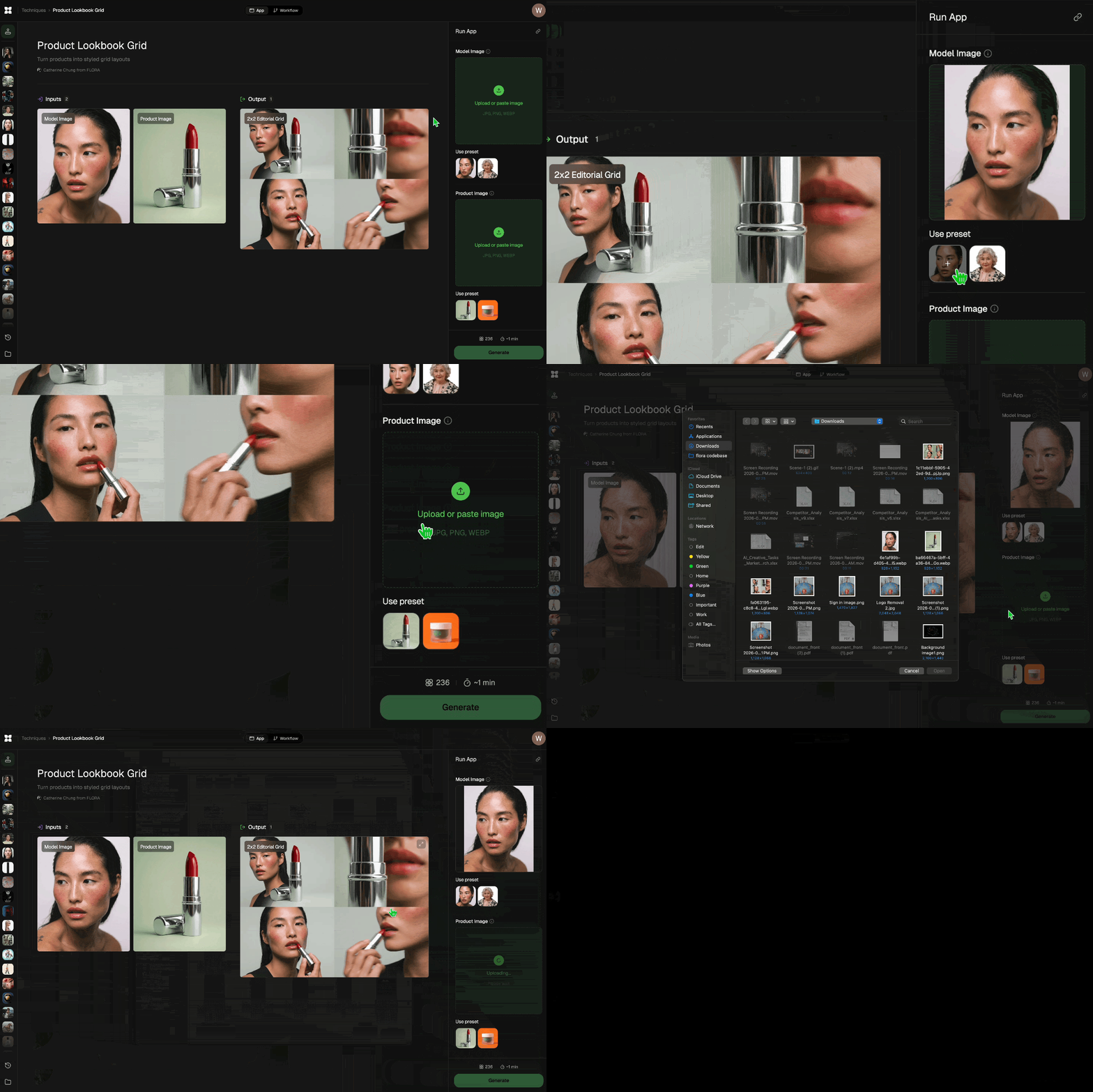
Add inputs
Upload images, videos, or type in the prompts to get started.
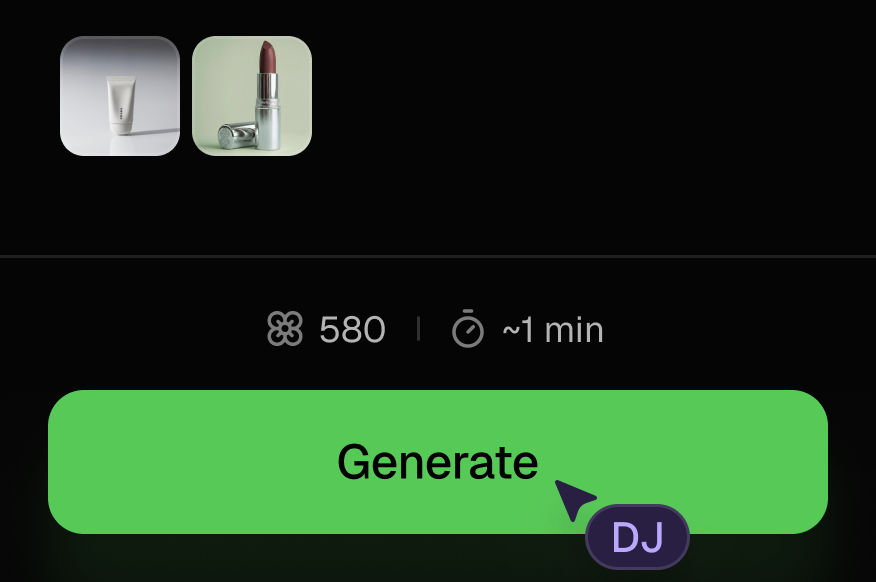
Generate outputs
Next, hit the "Generate" button to start generating your outputs.
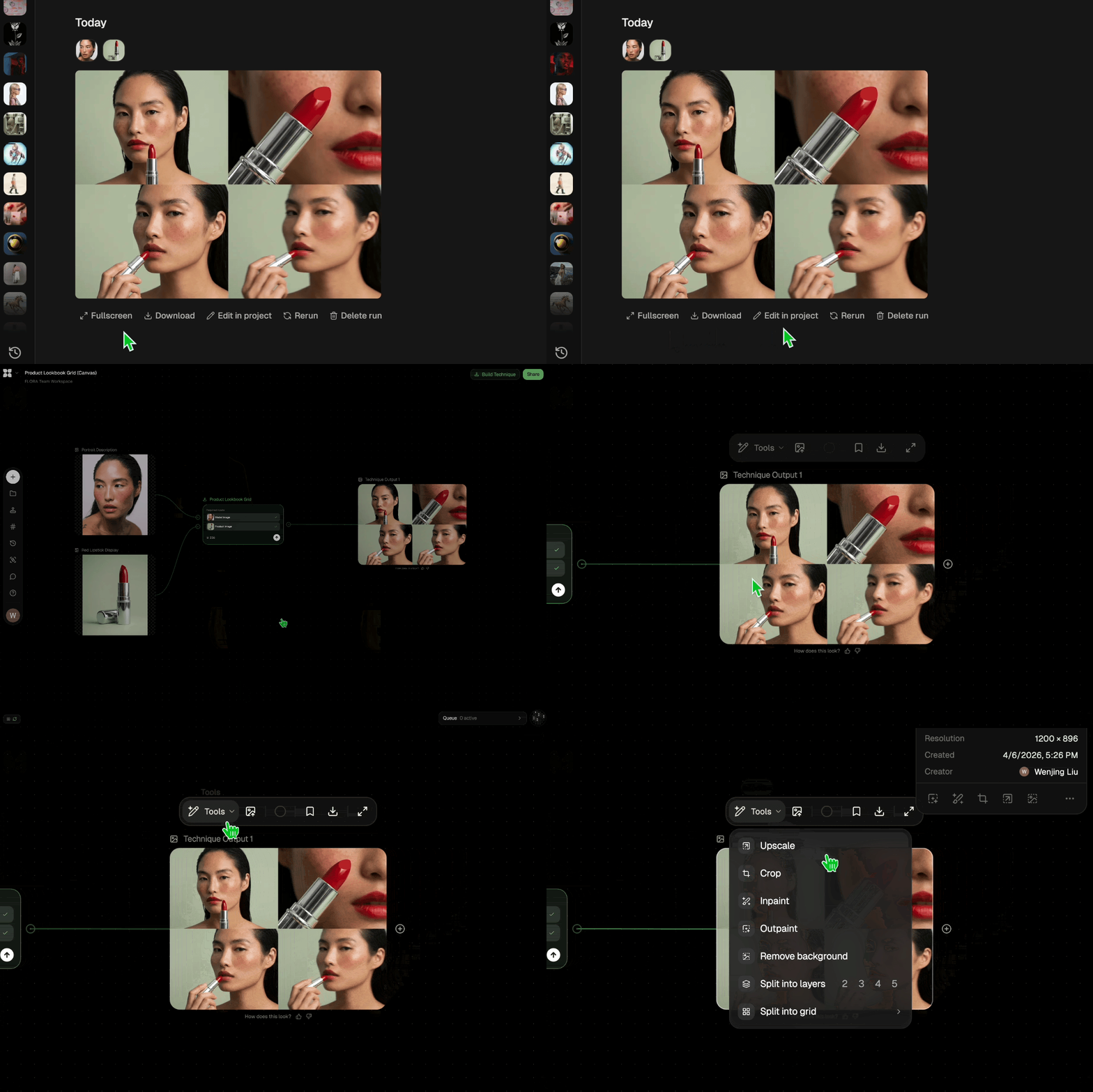
Edit and export
Refine your outputs on canvas, or download them directly.
Frequently asked questions
All you need to know about UGC Performance Engine: AI Video System
Related techniques
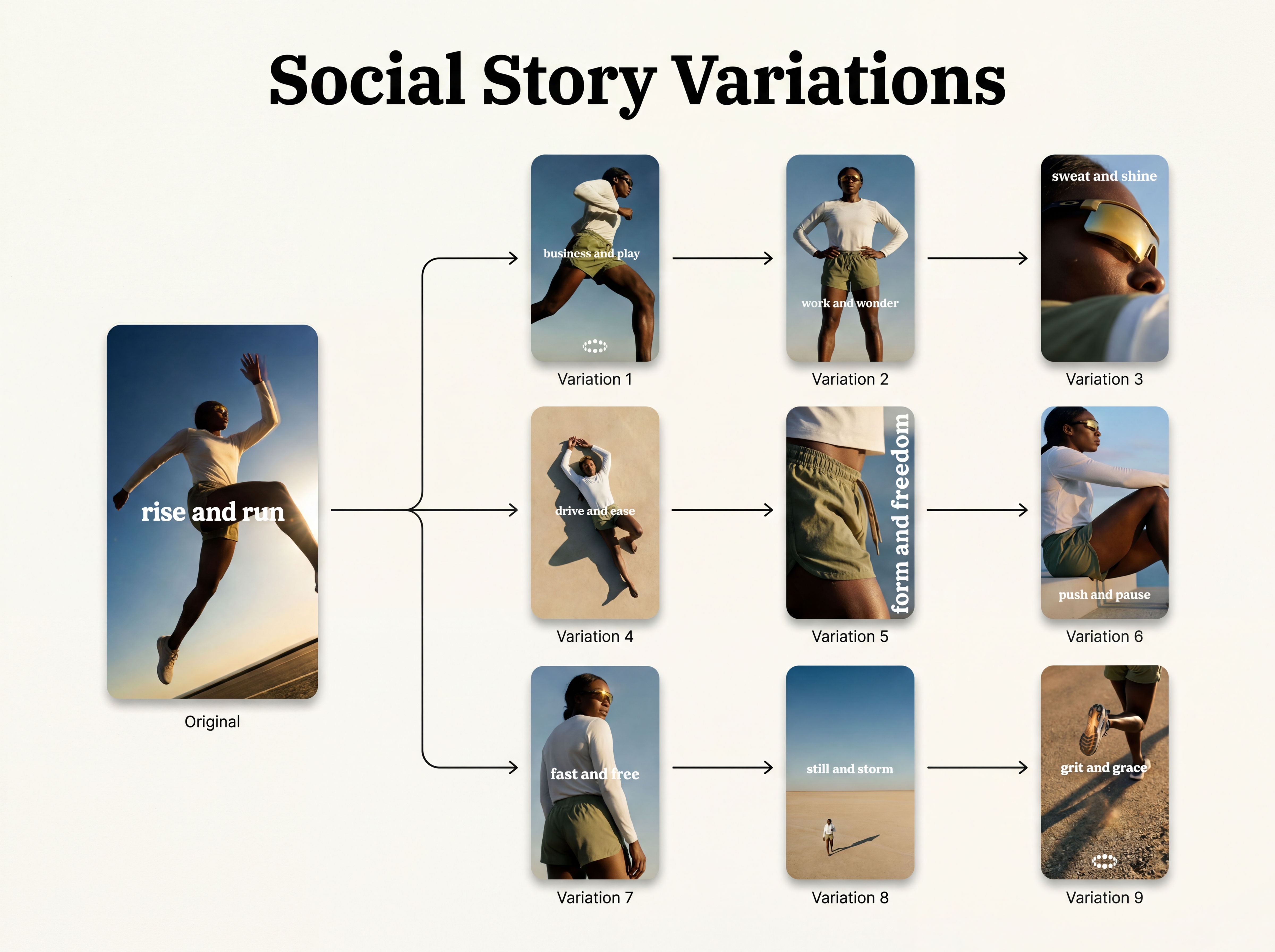 Instagram Story VariatorOne IG story in, nine variations out.
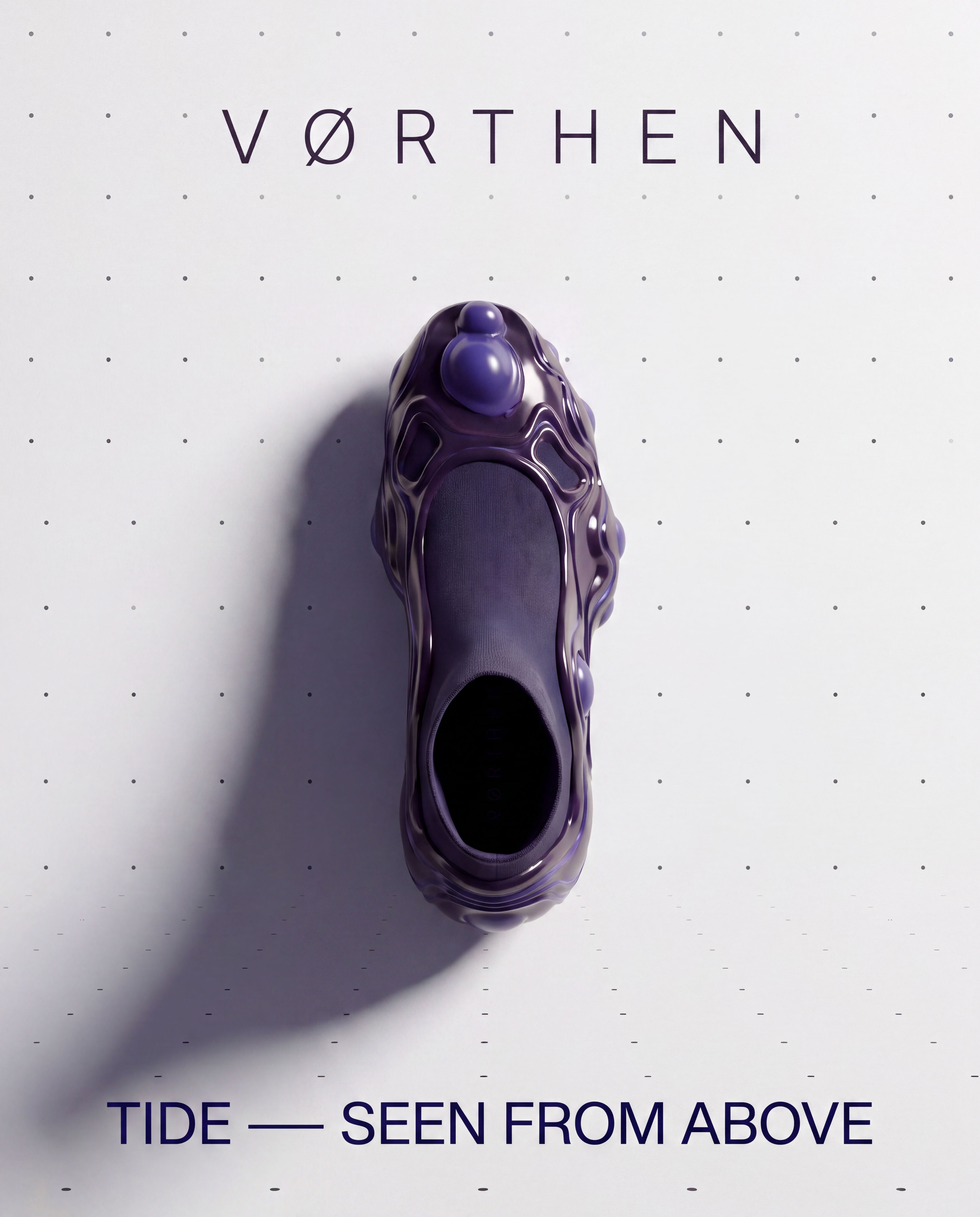 Meta Ad VariatorOne ad in, nine variations out.
 Photography/Image Aspect Ratio ChangeWorks best with photography or images without text.
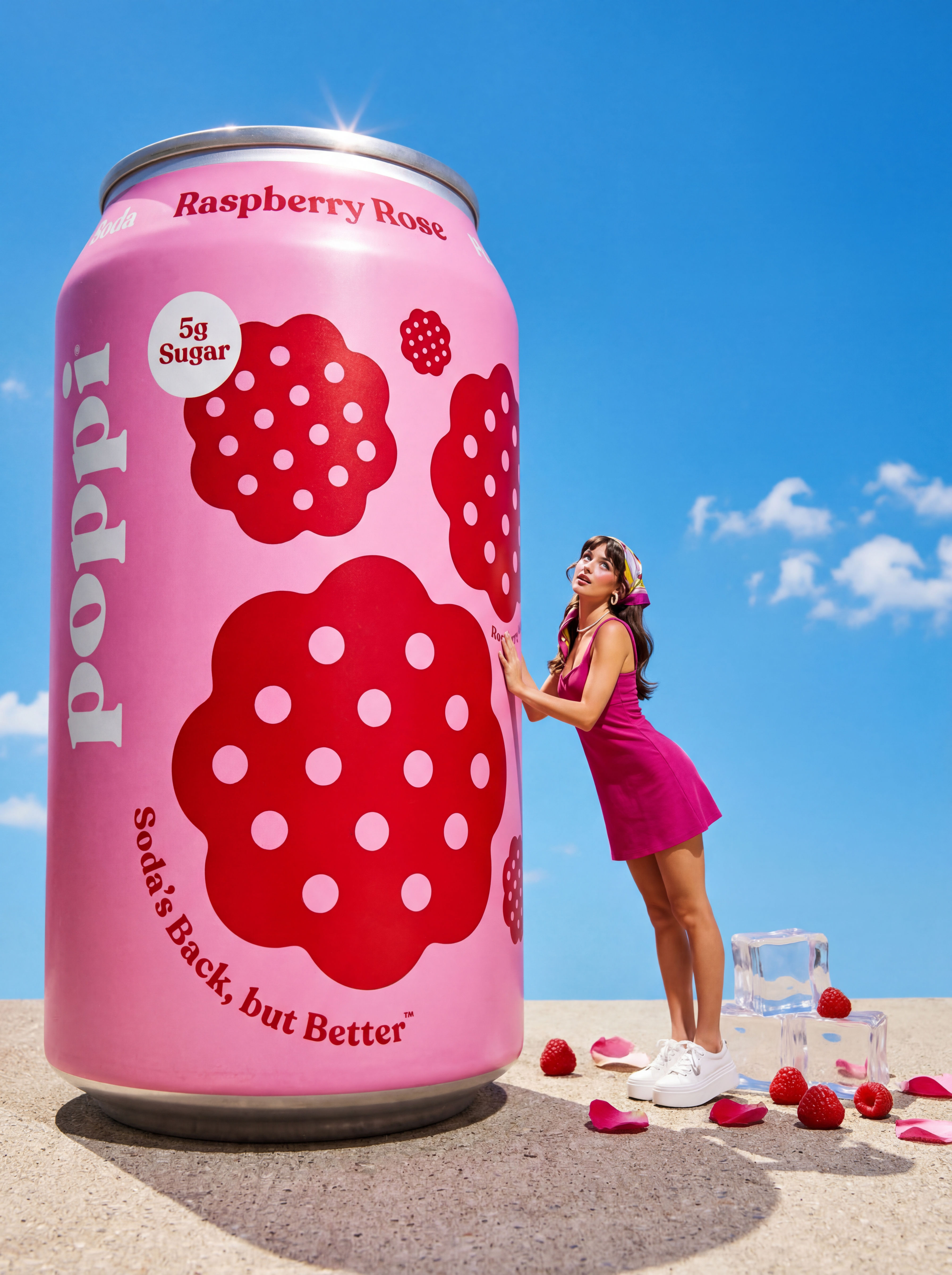 Product to Ad VisualsMake a compelling ad campaign of 4 visuals from 1 product shot
 Relighting Photoshootconfirm the lighting with your team/client and have a lighting diagram to share with your team.
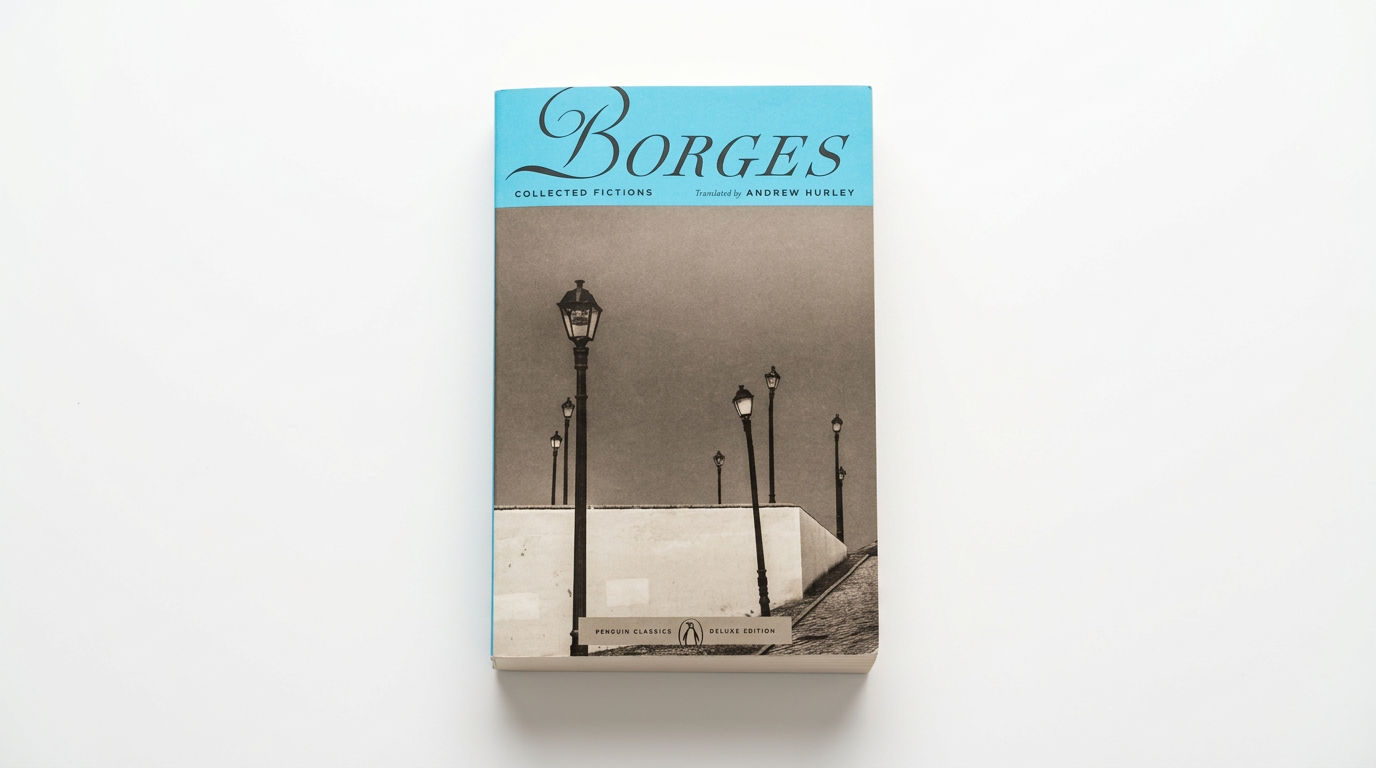 Book DropMocks up front and back book covers
UGC Performance Engine: AI Video System
AI-powered system that generates 3 high-performance UGC ad variations (Hook, DR, and Social Proof) from a single product brief.

Gilberto Riveros