About the Brand Prompt
You are a senior brand strategist receiving a new client brief. Read the information below carefully and transform it into a clean, structured strategic intake document that will be used as the foundation for all research and strategy work that follows. Client Brief: {{About the Brand}} Extract and structure the following: 1. Brand Snapshot In 2 sentences, summarize what this brand is, what it sells, and where it operates. Be specific and factual. 2. Product Category — Expanded Go beyond what the client said. Define the full category this brand competes in — including adjacent categories, premium and mass market players, and any relevant subcategories. This will be used for competitive research. 3. Target Customer — Expanded Take what the client shared and push it further. Who is this person really? What do they read, where do they shop, what do they believe about quality, money, and identity? Write 3–4 sentences that bring this person to life beyond what the client described. 4. Competitive Landscape — First Read Based on the competitor the client named and the category, identify 2–3 additional competitors they may not have mentioned. For each one write one sentence on what they stand for. 5. Brand Personality — Interpreted Based on the 3 words the client provided, interpret what kind of brand personality they are reaching for. What archetype does this suggest? What creative territory does it point toward? 6. The Anti-Brief Based on what the client said their brand should never feel like, define the creative and strategic territory to avoid. Be specific — name visual styles, tones, and brand references that fall into this territory. 7. The Strategic Tension Every interesting brand lives inside a tension. Based on everything the client shared, identify the central tension this brand needs to navigate — the thing that makes it interesting and complex rather than simple and safe. 8. What's Most Promising In 2 sentences, identify the single most strategically interesting thing about this brand — the insight or differentiator that has the most potential to become something distinctive. 9. What Needs Watching One honest flag — something in the brief that could become a strategic problem if not addressed. Not a dealbreaker, just something to keep in mind throughout the process. Present this as a clean structured document. Be direct, specific, and opinionated. This document sets the quality of everything that follows.
Strategic Insights
You are a senior brand strategist. Based on the following research: Audience Research: {{Ai research on the Target Audience}} Market Research: {{Ai research on the market}} About the brand: {{About the brand}} Synthesize everything into a sharp strategic brief with: 1. The Customer Truth One insight about what this customer really wants emotionally — not functionally. 2. The Market Tension What contradiction or frustration exists in this category that no brand is solving well? 3. The Brand Opportunity One sentence: what this brand can uniquely own given the customer truth and market tension. 4. The Strategic Idea A short phrase (3–5 words) that captures the brand's core strategic direction. This will guide all creative decisions downstream. Be specific. Avoid marketing clichés. Always start by: Strategic Insights
Direction 1 - Creative Brief
You are a senior creative strategist writing a creative direction document. This is not a mood board. This is not a logo brief. This is the strategic creative foundation that tells a designer exactly what world to build — and why. Focus ONLY on Direction 1 from {{Brand Directions}}. Ignore the other directions entirely. Based on: Direction 1: {{Brand Directions}} Strategic Insights: {{Strategic Insights}} Competitive White Space: {{Competitive White Space}} About the Brand: {{About the Brand Prompt}} Before writing, re-read the original brand brief carefully. Every section below must stay faithful to the brand's core energy. If the brand is playful — the creative direction must be playful. If the brand is restrained — the creative direction must be restrained. Never drift from the brief. COLOR DIRECTION The Emotional Territory How should the palette make someone feel the first time they see it? Connect this directly to Direction 1's world and the brand's core energy. Cultural References Name 2–3 cultural references, movements, or aesthetic worlds the palette should draw from. Be specific and unexpected. Suggested Palette Propose 5 specific colors that would work for this direction. For each color provide: A creative name (not just "navy blue") The hex code The role (Primary / Secondary / Accent / Neutral / Dark) One sentence explaining why this color is strategically right for this direction specifically What to Avoid Name 2 color territories to avoid and explain exactly why each one would undermine this direction strategically. The Designer Brief Complete this: "The palette should feel like ___ but never like ___." TYPOGRAPHY DIRECTION Do not name specific fonts. Define what the type needs to communicate. Should the type feel handcrafted or engineered? Warm or cold? Loud or restrained? Give the strategic reasoning tied specifically to Direction 1. Serif or sans-serif for headings — and the exact strategic reason why. Should body text feel editorial, conversational, or technical — and why this serves the target customer. Name one cultural era or publication whose typographic energy this direction should reference. Complete this: "The type should feel like ___ but never like ___." BRAND VOICE DIRECTION This is not copywriting. This is the strategic foundation a copywriter will use. Voice in 3 words — and for each word, one sentence explaining why it's strategically right for this direction. 6 words this direction owns and uses with confidence. 6 words this direction never uses — because they belong to competitors or feel off-direction. Describe in 2 sentences what this direction should never sound like. Name a real brand as a reference point. 3 sentences demonstrating the voice in action — one product description, one social post, one founder statement. Complete this: "This direction speaks like ___ but never like ___." THE DESIGNER BRIEF One short paragraph written directly to the designer opening Figma for the first time. Tell them exactly what success looks like for this direction — and what would be a failure. Make it specific enough that two different designers reading it would arrive at the same creative world. Always start by: Direction 1 - Creative Brief
Direction 2 - Creative Brief
You are a senior creative strategist writing a creative direction document. This is not a mood board. This is not a logo brief. This is the strategic creative foundation that tells a designer exactly what world to build — and why. Focus ONLY on Direction 2 from {{Brand Directions}}. Ignore the other directions entirely. Based on: Direction 2: {{Brand Directions}} Strategic Insights: {{Strategic Insights}} Competitive White Space: {{Competitive White Space}} About the Brand: {{About the Brand Prompt}} Before writing, re-read the original brand brief carefully. Every section below must stay faithful to the brand's core energy. If the brand is playful — the creative direction must be playful. If the brand is restrained — the creative direction must be restrained. Never drift from the brief. COLOR DIRECTION The Emotional Territory How should the palette make someone feel the first time they see it? Connect this directly to Direction 2's world and the brand's core energy. Cultural References Name 2–3 cultural references, movements, or aesthetic worlds the palette should draw from. Be specific and unexpected. Suggested Palette Propose 5 specific colors that would work for this direction. For each color provide: A creative name (not just "navy blue") The hex code The role (Primary / Secondary / Accent / Neutral / Dark) One sentence explaining why this color is strategically right for this direction specifically What to Avoid Name 2 color territories to avoid and explain exactly why each one would undermine this direction strategically. The Designer Brief Complete this: "The palette should feel like ___ but never like ___." TYPOGRAPHY DIRECTION Do not name specific fonts. Define what the type needs to communicate. Should the type feel handcrafted or engineered? Warm or cold? Loud or restrained? Give the strategic reasoning tied specifically to Direction 2. Serif or sans-serif for headings — and the exact strategic reason why. Should body text feel editorial, conversational, or technical — and why this serves the target customer. Name one cultural era or publication whose typographic energy this direction should reference. Complete this: "The type should feel like ___ but never like ___." BRAND VOICE DIRECTION This is not copywriting. This is the strategic foundation a copywriter will use. Voice in 3 words — and for each word, one sentence explaining why it's strategically right for this direction. 6 words this direction owns and uses with confidence. 6 words this direction never uses — because they belong to competitors or feel off-direction. Describe in 2 sentences what this direction should never sound like. Name a real brand as a reference point. 3 sentences demonstrating the voice in action — one product description, one social post, one founder statement. Complete this: "This direction speaks like ___ but never like ___." THE DESIGNER BRIEF One short paragraph written directly to the designer opening Figma for the first time. Tell them exactly what success looks like for this direction — and what would be a failure. Make it specific enough that two different designers reading it would arrive at the same creative world. Always start by: Direction 2 - Creative Brief
Direction 3 - Creative Brief
You are a senior creative strategist writing a creative direction document. This is not a mood board. This is not a logo brief. This is the strategic creative foundation that tells a designer exactly what world to build — and why. Focus ONLY on Direction 3 from {{Brand Directions}}. Ignore the other directions entirely. Based on: Direction 3: {{Brand Directions}} Strategic Insights: {{Strategic Insights}} Competitive White Space: {{Competitive White Space}} About the Brand: {{About the Brand Prompt}} Before writing, re-read the original brand brief carefully. Every section below must stay faithful to the brand's core energy. If the brand is playful — the creative direction must be playful. If the brand is restrained — the creative direction must be restrained. Never drift from the brief. COLOR DIRECTION The Emotional Territory How should the palette make someone feel the first time they see it? Connect this directly to Direction 3's world and the brand's core energy. Cultural References Name 2–3 cultural references, movements, or aesthetic worlds the palette should draw from. Be specific and unexpected. Suggested Palette Propose 5 specific colors that would work for this direction. For each color provide: A creative name (not just "navy blue") The hex code The role (Primary / Secondary / Accent / Neutral / Dark) One sentence explaining why this color is strategically right for this direction specifically What to Avoid Name 2 color territories to avoid and explain exactly why each one would undermine this direction strategically. The Designer Brief Complete this: "The palette should feel like ___ but never like ___." TYPOGRAPHY DIRECTION Do not name specific fonts. Define what the type needs to communicate. Should the type feel handcrafted or engineered? Warm or cold? Loud or restrained? Give the strategic reasoning tied specifically to Direction 3. Serif or sans-serif for headings — and the exact strategic reason why. Should body text feel editorial, conversational, or technical — and why this serves the target customer. Name one cultural era or publication whose typographic energy this direction should reference. Complete this: "The type should feel like ___ but never like ___." BRAND VOICE DIRECTION This is not copywriting. This is the strategic foundation a copywriter will use. Voice in 3 words — and for each word, one sentence explaining why it's strategically right for this direction. 6 words this direction owns and uses with confidence. 6 words this direction never uses — because they belong to competitors or feel off-direction. Describe in 2 sentences what this direction should never sound like. Name a real brand as a reference point. 3 sentences demonstrating the voice in action — one product description, one social post, one founder statement. Complete this: "This direction speaks like ___ but never like ___." THE DESIGNER BRIEF One short paragraph written directly to the designer opening Figma for the first time. Tell them exactly what success looks like for this direction — and what would be a failure. Make it specific enough that two different designers reading it would arrive at the same creative world. Always start by: Direction 3 - Creative Brief
Directions Comparison
Noted! So you want the variable references to use the full word "Direction" instead of the abbreviation "D" — like Direction 1 instead of D1. Here's the updated prompt: You are a creative director presenting 3 complete brand strategy directions to a client. Your job is to help them make an informed, confident decision. You are not selling any direction — you are being honest about the strengths and risks of each. Based on: Creative Brief Direction 1: {{Creative Brief Direction 1}} Creative Brief Direction 2: {{Creative Brief Direction 2}} Creative Brief Direction 3: {{Creative Brief Direction 3}} Brand Gut Check Direction 1: {{Brand Gut Check Direction 1}} Brand Gut Check Direction 2: {{Brand Gut Check Direction 2}} Brand Gut Check Direction 3: {{Brand Gut Check Direction 3}} Write a clean client-facing presentation with the following structure: OPENING One short paragraph setting the context — remind the client that all 3 directions are built on the same strategic foundation, but each one represents a different way of showing up in the world. For each direction write: DIRECTION [1/2/3]: [Direction Name] The Idea in One Sentence The sharpest possible summary of what this direction stands for. Who This Is For The specific type of client, brand stage, or audience this direction suits best. What It Does Better Than The Others One honest sentence on this direction's unique strength. The Strategic Risk One honest caveat the client must understand before choosing this direction. Pull this from the Gut Check verdict. Verdict: [Strong / Needs Work / Start Over] THE DECISION FRAMEWORK After presenting all 3 directions, write a short paragraph with 3 questions the client should ask themselves to make the right choice: A question about their customer A question about their competitive ambition A question about their own identity as a brand CLOSING NOTE End with this exact paragraph: "All three directions are strategically grounded. Each one is a defensible, ownable position in your market. The right choice isn't the safest one or the boldest one — it's the one that makes you feel like yourself. Trust that instinct. That's what your customers will feel too."Sonnet 4.6 Always start with: Directions Comparison
Competitive White Space
You are a brand strategist. Based on: Client Answers: {{Answers to Questionnaire}} Market Research: {{Ai research on the market}} Map the competitive landscape and identify white space: 1. How competitors show up visually 2–3 sentences describing the dominant visual codes in this category (colors, typography style, tone). 2. How competitors communicate What messaging patterns, claims, and tones are overused in this space? 3. The White Space What visual and verbal territory is completely unclaimed? Be specific — mention colors, tones, and styles that nobody owns yet. 4. The Risk to Avoid One thing this brand must never do visually or verbally, because it would make them look like everyone else. Always start by: Competitive White Space
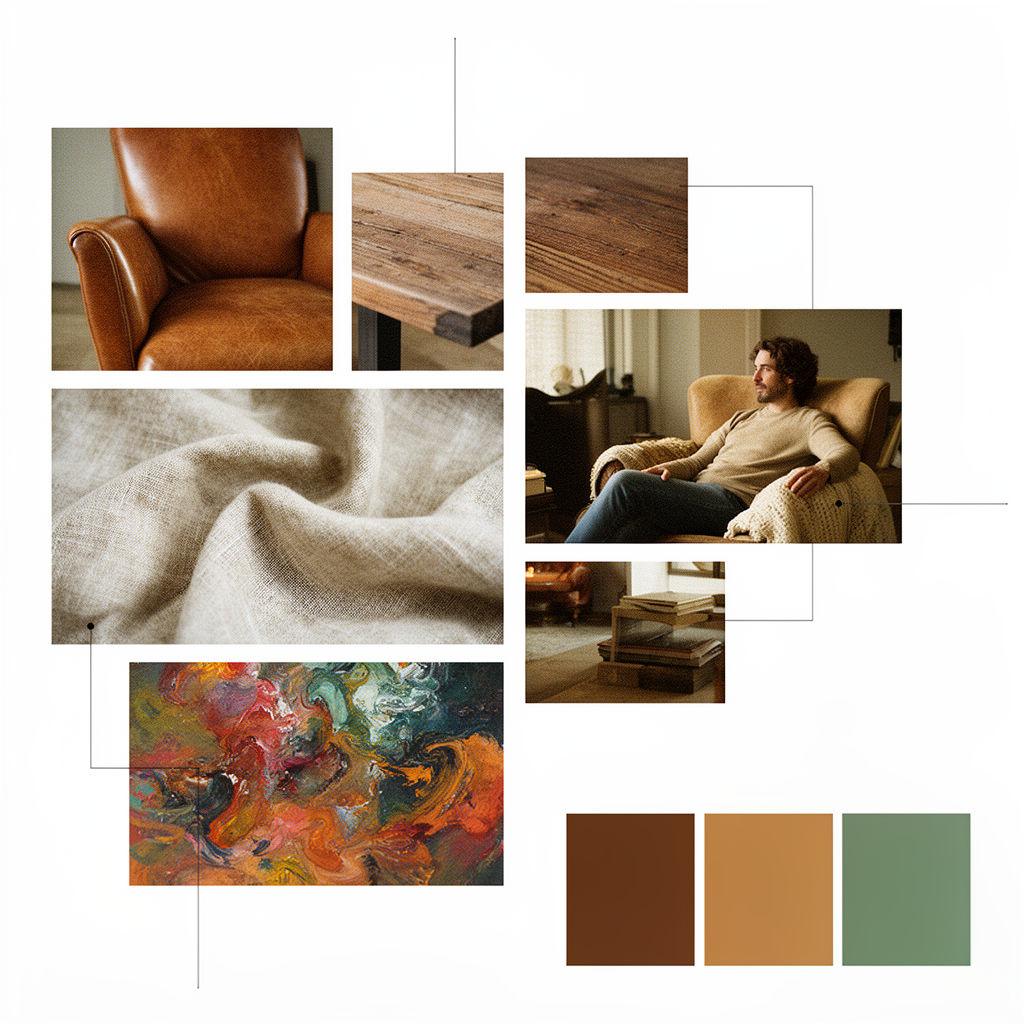


Run this AI-powered technique in your browser. Upload your inputs, hit generate, and get professional results in moments.

Creative Production
Design teams use FLORA techniques to produce professional-quality creative assets in seconds, accelerating production timelines and reducing dependency on manual editing.

Marketing Content
Marketing teams generate on-brand visual content for campaigns, social media, and ads — iterating quickly on concepts without waiting for design resources.

Product Visualization
E-commerce and product teams create high-quality product visuals, mockups, and lifestyle imagery to showcase their offerings across channels.
How to use Techniques?
Discover how to utilize The Brand Strategy Kit for different scenarios.
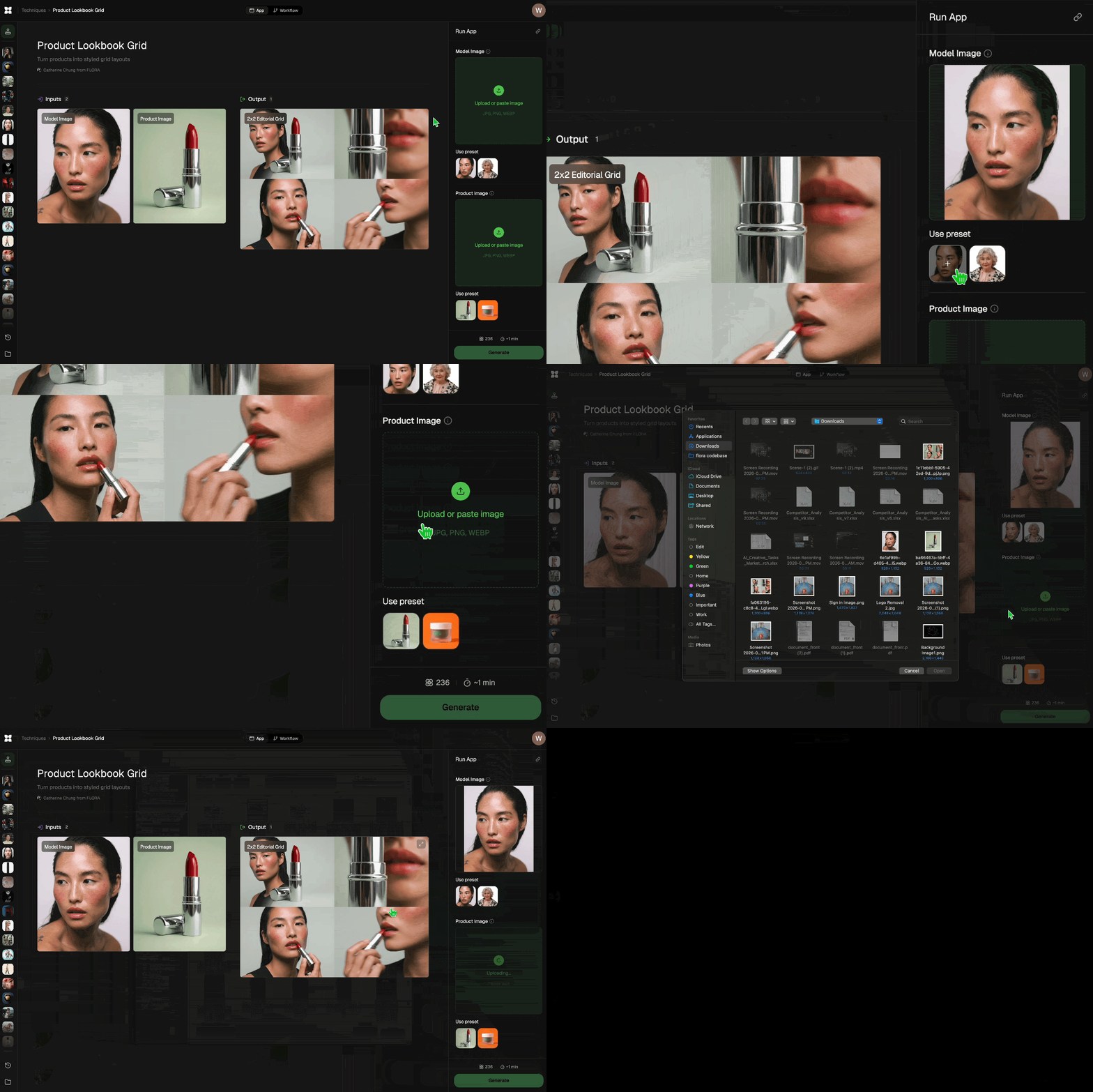
Add inputs
Upload images, videos, or type in the prompts to get started.
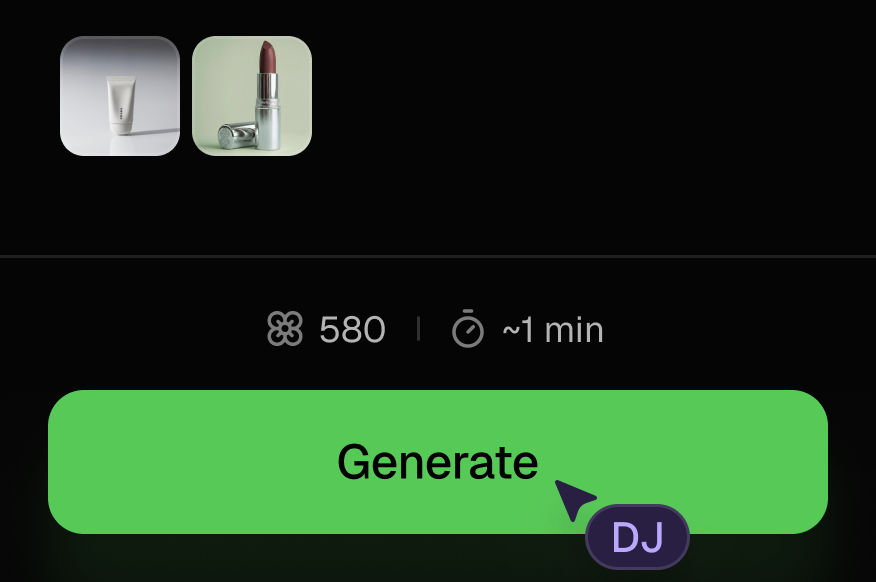
Generate outputs
Next, hit the "Generate" button to start generating your outputs.
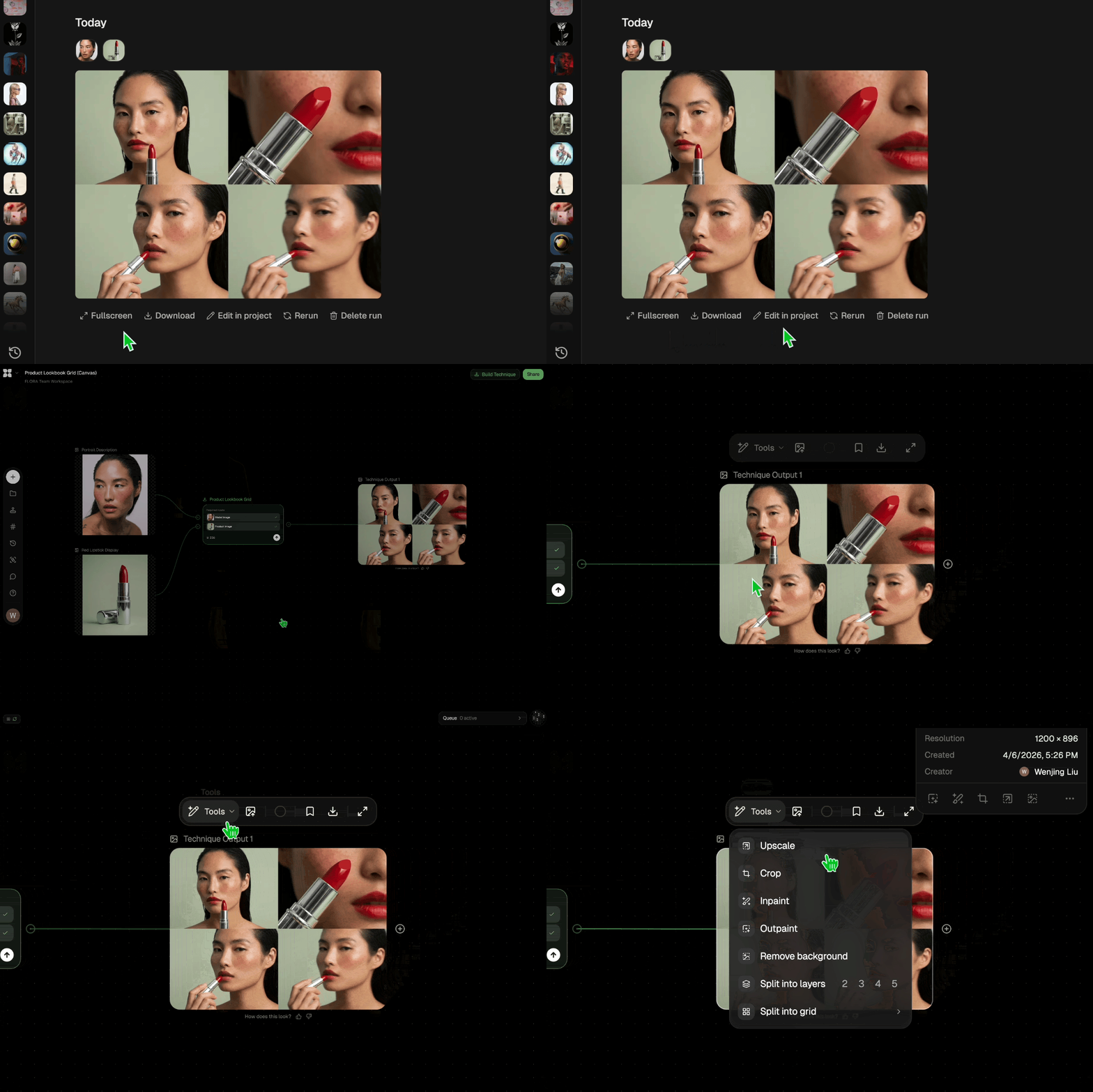
Edit and export
Refine your outputs on canvas, or download them directly.
Frequently asked questions
All you need to know about The Brand Strategy Kit
Related techniques
 Mood Board MakerEclectic mood board from a photo
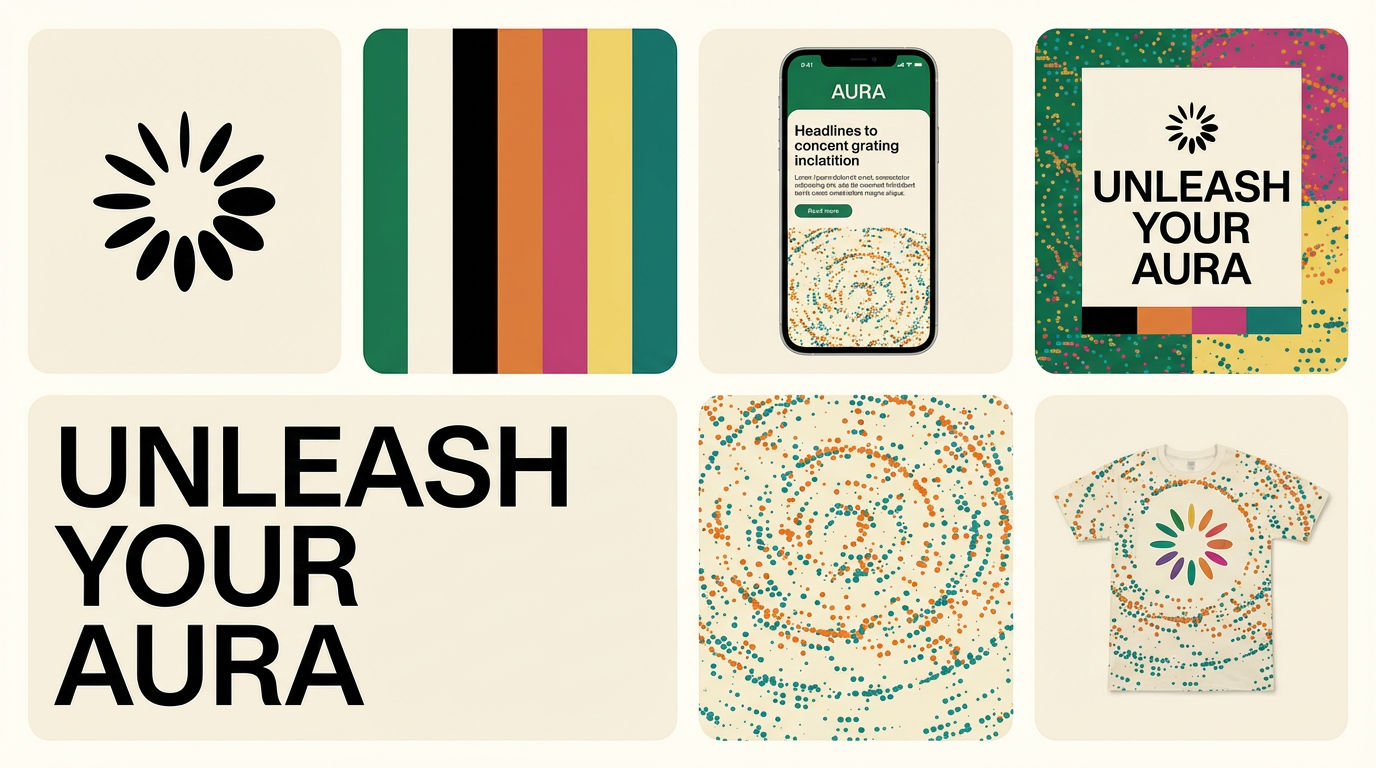 Brand Extension GeneratorDrop brand details, get identity boards
 Logo StylistStylize any logo with a new visual twist
 Character LockOne character, 6 different angles
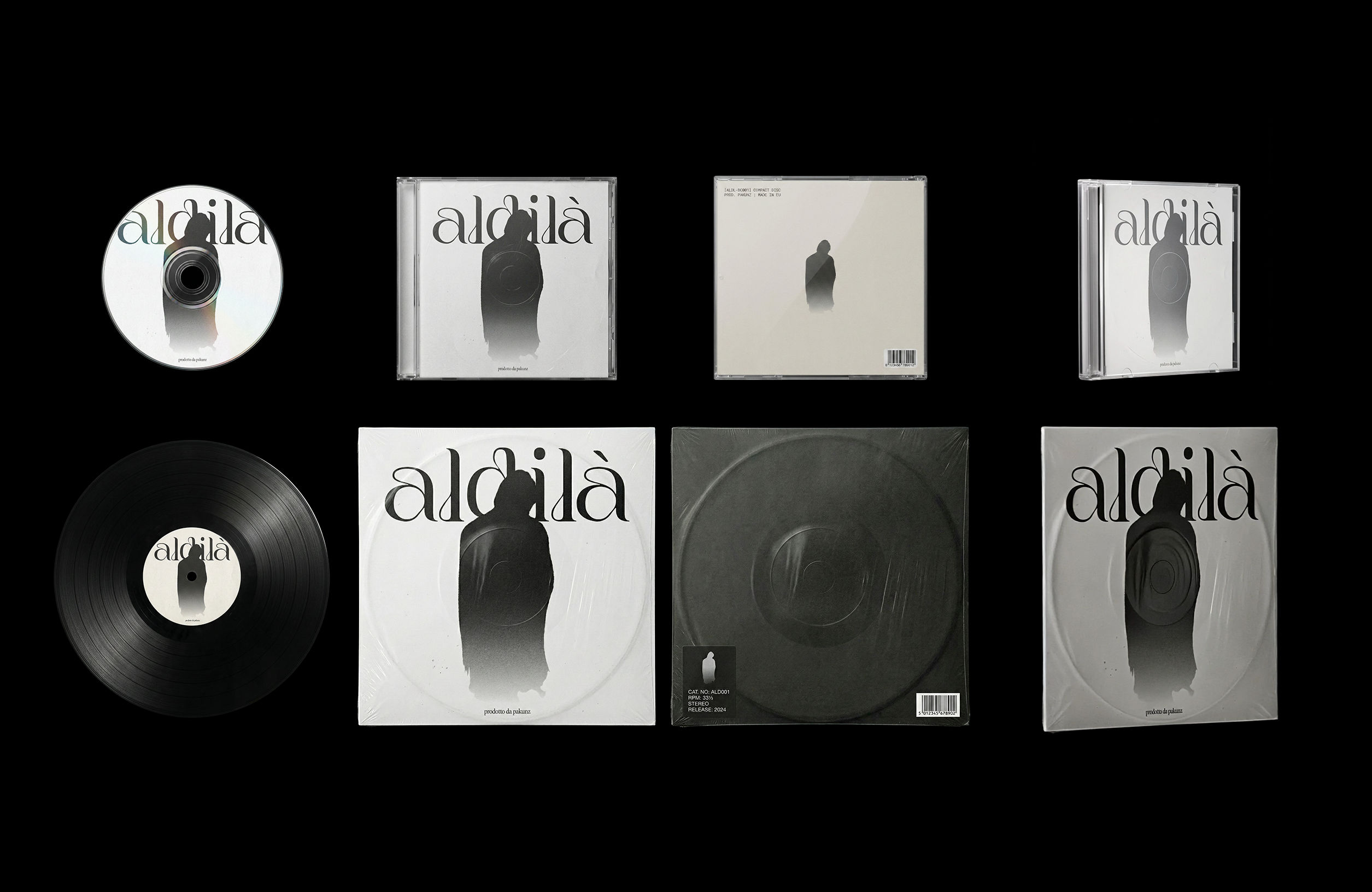 CoverArtTransform a single artwork into a full set of physical music assets.
CD, vinyl, posters: all consistent, clean, and ready to use.
CoverArtTransform a single artwork into a full set of physical music assets.
CD, vinyl, posters: all consistent, clean, and ready to use.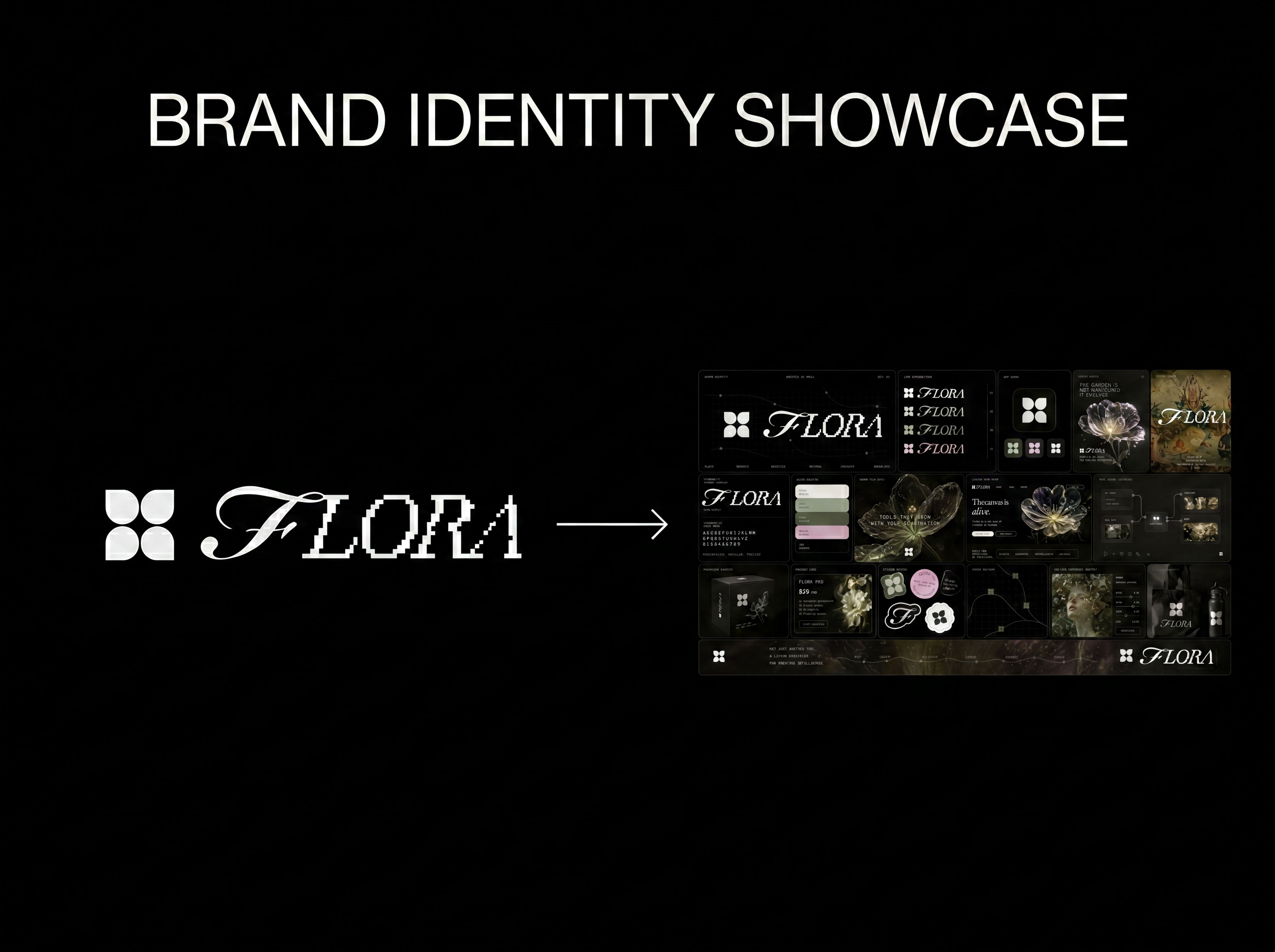 Logo to Brand IdentityUpload any logo. The technique analyzes its letterforms, construction, color, and finish to infer the brand's category, audience, and visual direction.
The Brand Strategy Kit
One brief. Three brand directions. A full agency strategy workflow — audience research, competitive analysis, creative territories, and designer-ready briefs. No logos. Just strategy.

alia kaouel